 LeafBound
Guide · Special editions
Limited numbered editions: the limitation page, hand numbering and honest counts.
A limited numbered edition is a run of a stated size in which each copy carries its own number, written by hand on a printed limitation page. No print-on-demand printer numbers copies for you. This guide gives the wording of the page, where it sits, how signatures and tip-ins are arranged before the run, what a short-run hardback costs, and how to state “copy 1 of 250” so that it stays true.
What a limited numbered edition is
Three things make an edition limited and numbered. The run has a stated size, printed in the book. Each copy has a unique number within that run, written on a page made for it. And the publisher prints no more under the same description. Take one away and the words stop meaning anything: a run with no stated size is a printing, a stated size with no numbers is limited but not numbered, and a numbered run that is reprinted is a broken promise.
The trade adds two optional layers. A signed edition carries the author’s signature on the limitation page or on a sheet bound in. A lettered state is a small group outside the numbered run, marked A, B, C rather than 1, 2, 3, kept for the author, the printer or a top reward tier. The special edition books guide sorts out special, deluxe and collector’s editions; this guide is about the numbering, which is the part no printer does for you.
No printer numbers copies
Every print-on-demand printer prints the same interior file on every copy, so a number inside the PDF would appear on all of them. None of the POD printers checked on 4 November 2026 publishes a numbering, hand-finishing or signing service: not KDP, IngramSpark, Lulu, Bookvault, Barnes & Noble Press or 48 Hour Books. Bookvault’s price list covers foil, edges, endpapers, ribbons and box sets and says nothing about numbering.
Short-run and offset printers say the same. Imprint Digital, a UK short-run printer, describes the standard process: the limitation page is printed in the book block, copies are numbered by hand in pen, and signatures go either on the limitation page before binding or on tip-in sheets arranged before the run (Imprint Digital, 6 July 2026, checked 4 November 2026). QinPrinting and Imago describe the same tip-in arrangement for offset runs.
| Printer | Numbering service | Limitation page | Notes | Source, checked 4 November 2026 |
|---|---|---|---|---|
| KDP | No | Any interior page prints | Case laminate hardcover only; a live POD title is not a closed run | KDP Hardcover help |
| IngramSpark | No | Any interior page prints | Hand number after delivery | IngramSpark hardcover post |
| Lulu | No | Any interior page prints | Linen hardcover with jacket for a collector look | Lulu products |
| Bookvault | No | Yes, in the interior file | Barcode on the last interior page; keep the limitation page off that leaf | Bookvault Guide to PDFs; special edition page |
| 48 Hour Books | Not mentioned | Any interior page prints | Edge printing, foil, endsheets and jackets in house | Cover options blog |
| Imprint Digital (UK short run) | No; hand numbering in pen | Printed in the block | Hardback from 25 copies, paperback from 10; signatures on the page before binding or on tip-ins arranged before the run | Blog, 6 July 2026 |
| QinPrinting, Imago (offset and short run) | No; hand numbering | Printed in the block | Tip-in signature sheets arranged before the run | Special edition pages |
So numbering is done at the kitchen table after delivery. Plan the hours: 250 copies at a minute each, opened, numbered, signed and set to dry, is a long afternoon, and a thousand is a week of evenings.
The limitation page
The limitation page, called the colophon when it sits at the back, is the one page that exists only in the limited edition. It states the size of the run, gives a blank for the number and often carries the signature. It is part of the interior PDF, set in the same type as the rest of the book, and it goes through the same preflight.
- Front matter, facing the title page or on the leaf after it. The convention for signed editions: the reader opens to it and the signature is on a bound leaf. Keep it on a right-hand page.
- At the back, as a colophon. The fine-press convention, often with a note on the typeface and paper. At Bookvault the last interior page carries a barcode (Bookvault Guide to PDFs, checked 4 November 2026), so a back colophon there sits at least one leaf before the end.
- Not on the copyright page, which already carries the edition statement and the ISBN. The limitation page is a separate, uncluttered leaf with room for a pen.
| Element | Purpose | Example wording |
|---|---|---|
| The statement | What the run is | “This edition of [Title] is limited to 250 numbered copies.” |
| The number line | Where the pen goes | “This is copy number ______ of 250.” |
| The signature line | Where the author signs | “Signed by the author:” followed by a rule |
| The extras | Copies outside the numbering | “A further 15 copies, lettered A to O, are reserved for the author and the printer and are not for sale.” |
| The printing | Which printing this is | “First printing, [month year]. [Printer name, city].” |
| The closed promise | What will not happen | “No further copies of this edition will be printed.” |
A template in words
Set in the body typeface, centered, with generous space around the number line and a rule where the pen goes, the whole page reads like this.
Settle three things before the file goes to the printer. Whether lettered copies exist at all; if not, drop the sentence rather than leave a vague “some copies are reserved”. Whether the run size includes the copies you give away, send for review or keep as replacements; it should, because every copy of this edition is one of the 250. And whether the signature is on this page or on a tip-in, because a tip-in needs its own leaf and the page then says “signed on a bound-in sheet” instead of carrying a rule.
Hand numbering, step by step
- Finish the interior and lock the page count. The limitation page is in the file before the cover, the spine and any edge art are made, and it goes through preflight with the rest; a hairline under the number line is a thin-line failure like any other.
- Proof the page. Check that the leaf lands on a right-hand page with room for a pen clear of the gutter, and that the paper takes ink. Uncoated text paper of 100 to 120 gsm, which Imprint Digital uses for special editions, takes a pen cleanly; coated art paper does not.
- Decide the pen and the order before the boxes arrive: an archival pigment pen, and a list of which numbers go to which backers, which are review copies and which stay as replacements.
- Number every copy, including the ones you keep, and keep a ledger of number against recipient. A damaged copy keeps its number unless it is destroyed and the replacement takes it.
- Sign after numbering, let the ink set, then pack.
Signatures and tip-ins
There are three ways to sign a run, and the first two are arranged with the printer before it is printed.
- Sign the limitation sheets before binding. The printer prints the text block, sends the limitation sheets to the author, and binds them in when they come back signed; one of Imprint Digital’s two methods (Imprint Digital, 6 July 2026, checked 4 November 2026). A signature on a bound leaf, at the cost of a pause while the sheets travel.
- Tip-in sheets. Separate sheets, signed and returned, then glued or bound in at the limitation page or opposite the title. The method for large runs and for authors who cannot visit the bindery; the sheet must match the page height.
- Sign the finished copies. The POD route, and the only one when the printer binds and ships without a pause. It works for a hundred copies and becomes the bottleneck at a thousand.
Whichever method, the number is written at the end, by hand. Tip-ins carry the signature, not the number, unless the tip-in is the limitation page.
Short-run hardback economics
The two published sets of figures that fit a self-published limited hardback, with an illustration built on them. The illustration is arithmetic, not a quote; the printer’s calculator for your trim, page count and finishes gives the real figure.
| Item | Figure | Source, checked 4 November 2026 |
|---|---|---|
| Print cost, per hardback | £20 | ALLi example, 4 November 2024 |
| Run of 250 | £5,000 | Arithmetic on the row above |
| Sale price | £60 (ALLi example); £35 to £60 is the range Imprint Digital reports | ALLi; Imprint Digital, 6 July 2026 |
| Gross on 250 copies at £60 | £15,000 | Arithmetic |
| Markup rule | At least 100% over print cost | ALLi |
| Profit before tax, after shipping and fees | 45% to 55% of gross | ALLi |
| Minimum run | 25 hardbacks; 10 paperbacks | Imprint Digital |
The per-copy finishes add to the £20: Bookvault lists foil from £2.50, sprayed edges from £5, printed endpapers from £1.50 and ribbons at £1 per copy (Bookvault special edition printing, checked 4 November 2026), and short-run printers quote them with the binding. The minimum run sets the floor on risk: at 25 hardbacks the exposure is a few hundred pounds, which is why a numbered edition can be tested before it is crowdfunded. The Kickstarter guide puts these costs against real campaign totals.
Run sizes vary with the audience. The short-run floor is 25; at the other end, Dungeon Crawler Carl’s first campaign offered 3,000 special and 10,000 limited copies to about 6,000 backers, and its second made books two and three as signed and numbered limited hardcovers (Beautiful Books, March 2025, checked 4 November 2026). Print the number you can sell out, because the unsold remainder of a closed run cannot be quietly turned into a trade edition.
Certificates
A certificate of authenticity is a loose card that repeats the limitation statement and the number. It is a harmless reward-tier extra, but it is not the record; the numbered page bound into the book is, because a card can be separated from the copy and a bound leaf cannot. If you make one, give it the same number as the book and treat it as packaging rather than proof.
How to state “1 of 250” honestly
“Copy 1 of 250” is a claim about the whole run, and it is the run that has to be true.
- Count everything in the 250: author copies, review copies, replacements, campaign extras, the copy you keep. If 15 lettered copies exist outside the numbering, say so on the page.
- Treat proofs as proofs. A printer’s proof that becomes a sale is a 251st copy. Mark proofs by hand as not for sale, or destroy them.
- Do not reprint under the same statement. A second run is a second printing or a trade edition, with a different limitation page or none.
- Retire the POD file. On KDP or IngramSpark, order the run as author copies, then unpublish or replace the file with the trade version under its own ISBN. A numbered page in a book anyone can still buy is not a limited edition.
- Say which finishes are on which copies, if the numbered run and the lettered copies differ. Readers compare notes.
- Keep the ledger, number against recipient, for as long as the edition is discussed.
ISBN and the copyright page
An edition sold separately from the trade copy needs its own ISBN: a numbered hardback alongside a trade paperback is two products, and KDP requires a separate ISBN for its hardcover in any case (KDP Hardcover help, checked 4 November 2026). Copies that go only to backers still benefit from one, because the edition will be catalogued and resold by its number. The copyright page carries the edition statement and the ISBN; the limitation page carries the run size and the number. Keep the two consistent.
Common mistakes
- The number typed into the file. Every copy says “copy 1 of 250”. The blank is the point.
- The limitation page on the last leaf at Bookvault, where the barcode goes.
- Signing a coated stock. Ink beads and smears. Proof the paper with your pen.
- Numbering before the proof is approved. A reprint for a cover fault leaves numbered copies of a rejected run.
- Leaving the POD listing live. The run is not closed while the file can be ordered.
- The limitation page in the ebook. It belongs to the physical run; remove it from the EPUB.
Where LeafBound fits
The limitation page is an interior page. Set the page in the book’s own typeface as part of the front matter, export the print PDF as PDF/X-1a:2001 or PDF/X-3:2002 with every font embedded, and let print preflight check the finished file: the rule under the number line against the 0.75 pt minimum, text inside the safe area, the page count against the trim and paper, and the trim and bleed boxes on every page for the KDP or IngramSpark profile. Compare themes shows the page count of up to three designs side by side, which is the number the spine and any edge art are built to. The print books page lists what the print side does now.
In the Studio tier, LeafBound’s tools for numbered limited runs make the limitation page, signature sheets and numbered copies, alongside the other special-edition tools, with a finishing specification for a named printer and a special-edition preflight. LeafBound makes the files; the printer prints them, and how a printer handles a different number in each copy varies, so ask before you plan the run. Keep the ledger described above, and order a printed proof.
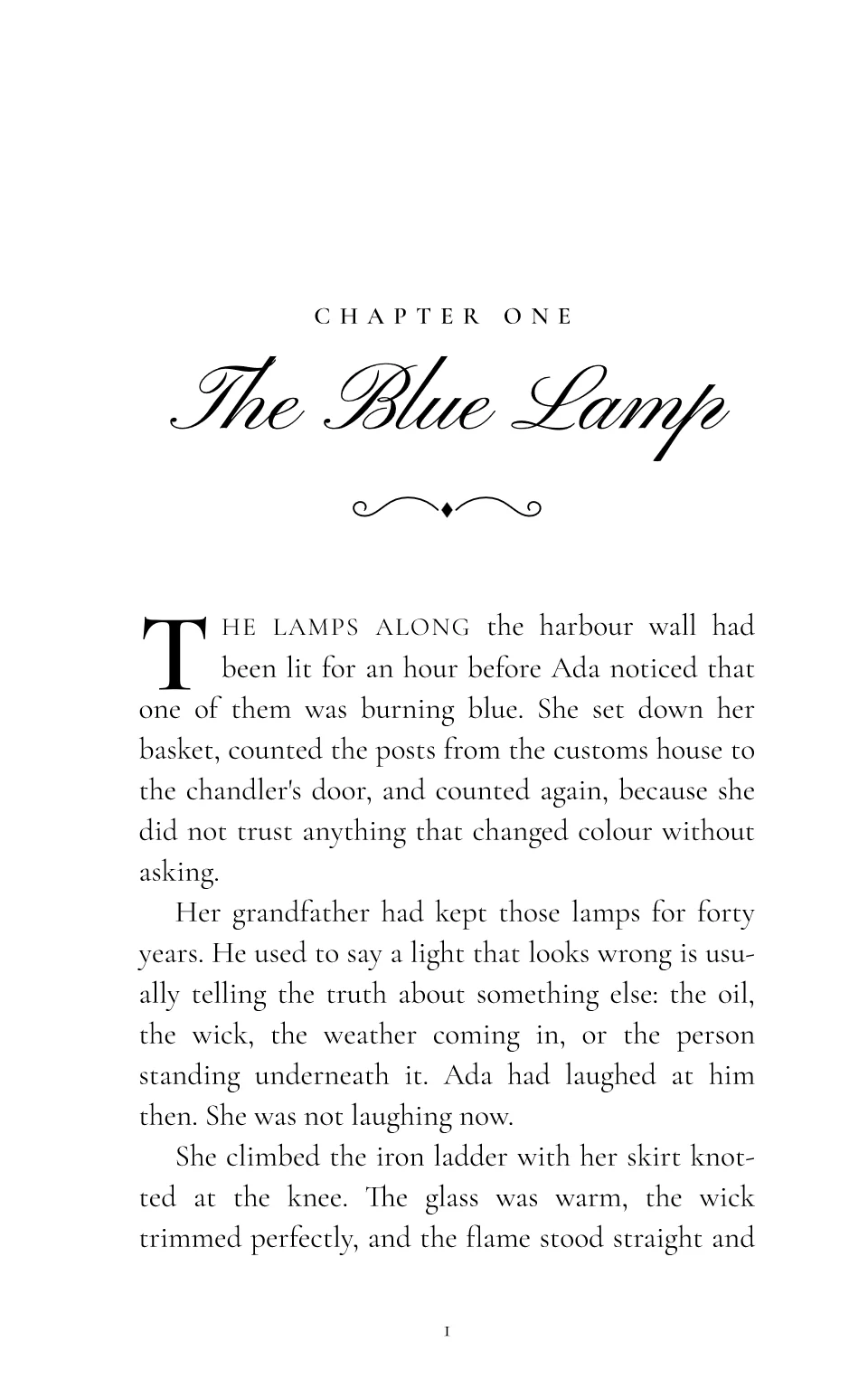
Copperplate, one of LeafBound’s 128 themes: the kind of interior a numbered edition is set in.
Limited edition questions
How are limited edition books numbered?
By hand. The printer prints a limitation page that states the size of the run and leaves a blank, and the author writes the copy number in pen after the books arrive. No print-on-demand printer offers a numbering service (Bookvault, KDP, IngramSpark, Lulu, Barnes & Noble Press and 48 Hour Books, checked 4 November 2026), and short-run printers such as Imprint Digital describe the same hand process.
How many copies is a limited edition?
Whatever number the limitation page states, as long as you stop there. Short-run printers take hardback editions from 25 copies (Imprint Digital, 6 July 2026); Dungeon Crawler Carl’s first campaign offered 3,000 special and 10,000 limited copies to about 6,000 backers (Beautiful Books, March 2025). The right number is the one you can sell out.
Do limited edition books need a separate ISBN?
Yes if the edition is sold separately from the trade copy. Each format and edition sold on its own carries its own ISBN, and KDP requires a separate ISBN for its hardcover (KDP Hardcover help, checked 4 November 2026). Copies that go only to campaign backers still benefit from one, because the printer and any distributor key the title on it.
Where does the limitation page go?
By convention in the front matter, facing the title page or on the leaf after it, or at the back as a colophon. The front is better for a signed edition, because the reader opens straight to it. Keep it off the last leaf at Bookvault, which places a barcode on the last interior page.
Can I number copies on KDP or IngramSpark?
Only by hand, after delivery. Both print whatever interior page you give them, so the limitation page is just another page in the PDF. The harder question is honesty: a run is limited only if the printer stops, and a print-on-demand title that stays live for sale is not limited. Order the run, then retire the file or replace it with a trade version.
What is a tip-in?
A separate signed sheet bound or glued into the book. The printer sends blank sheets to the author before the run, the author signs them, and the printer binds them in (Imprint Digital, 6 July 2026). It lets a run be signed without the author handling every finished copy.
Does a limited edition need a certificate of authenticity?
No. The numbered page bound into the book is the record. A loose certificate is a reward-tier extra readers like, but it can be separated from the copy and a bound leaf cannot.
More guides
Set the limitation page with the rest of the book.
Import your manuscript, add the limitation page to the front matter and let print preflight check the finished PDF before the run is ordered.
Early access · Author from $79 once · free 4-day trial · Windows 10 and 11